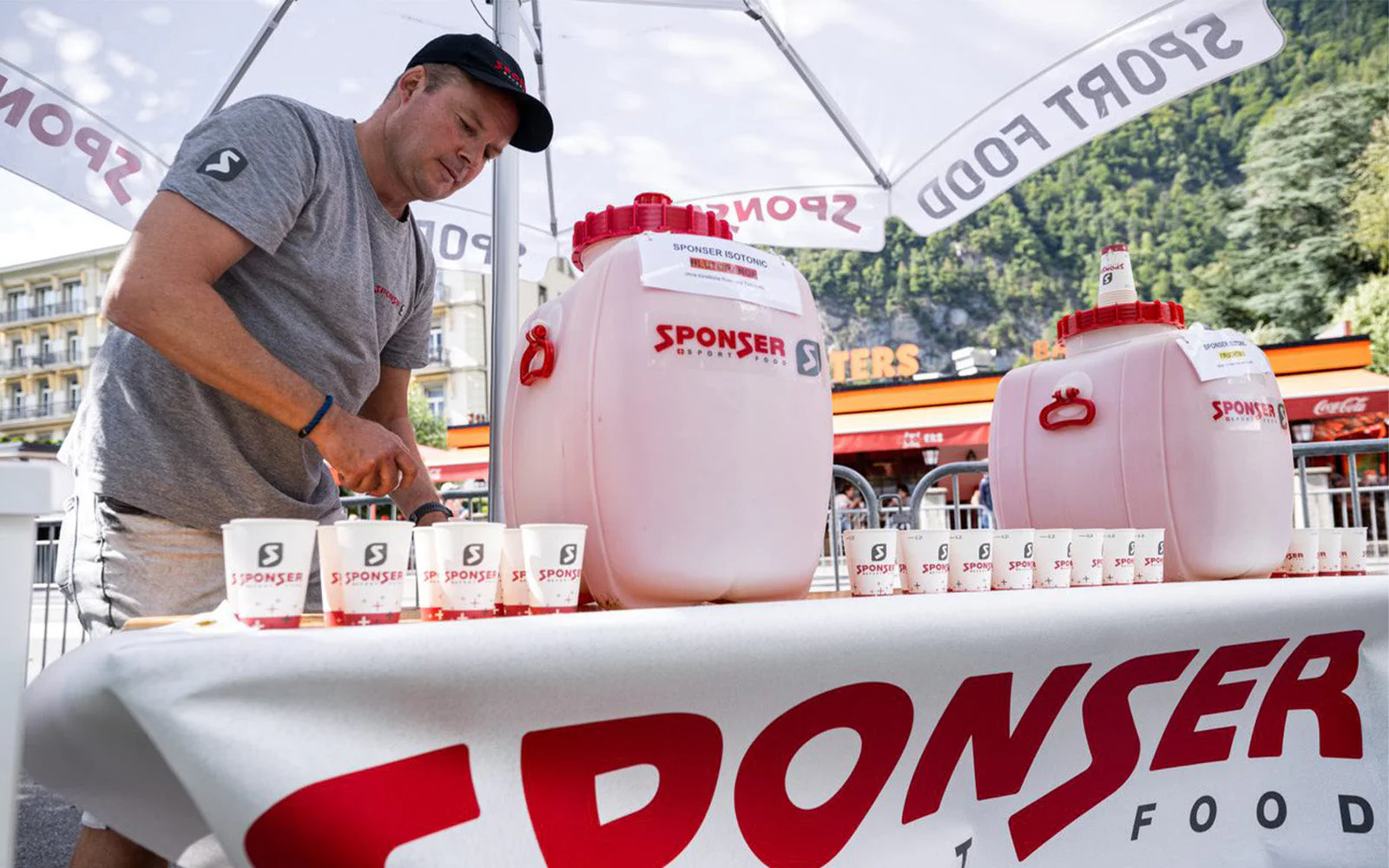
In long-distance events like Half-Ironman and Full Ironman, proper nutrition management is one of the most critical components for success. A well-planned and precise nutrition strategy can make the difference between a smooth, enjoyable race and a physically and mentally challenging experience.
Why is proper nutrition management important?
During a long race, the body needs readily available energy to sustain high performance over time. Poor nutrition management can lead to depleted energy stores (bonking), dehydration, or digestive issues. This not only affects finish time but also exposes the athlete to health risks.
Basic Principles of Race Nutrition Management
Plan Ahead:
- Establish a precise nutrition protocol tailored to the length and intensity of your training and race.
- Test the protocol during long training sessions to ensure it works well for you.
Balance Solids and Liquids:
- Liquids: Provide quick energy absorption and help prevent dehydration. For example, gels and isotonic drinks offer easily digestible carbohydrates and are convenient during movement.
- Solids: Particularly useful during the early parts of the bike leg when the stomach can handle digestion. Energy bars or small sandwiches offer sustained energy and help prevent hunger.
Quantities and Balance:
- Aim to consume 60–90 grams of carbohydrates per hour during the bike and run, depending on your individual absorption capacity.
- Drink 750–1000 ml of fluids per hour to maintain proper hydration levels.
- Ensure adequate sodium intake (400–1000 mg per hour) to prevent muscle cramps. Sodium can be consumed via salt capsules, electrolyte tablets, or isotonic drinks.
Caffeine Intake:
- Caffeine can enhance focus and delay fatigue but should be used wisely. A dose of 50–200 mg in the later stages of the race may be especially effective.
Impact of Temperature:
- High temperatures increase the risk of dehydration, so it’s important to increase fluid intake and cool the body with cold water or towels.
- In cold conditions, you may require less fluid, but it’s crucial to maintain a steady energy supply with carbohydrate-rich foods.

Tips for Successful Nutrition Management
- Set reminders: Use a watch that beeps every 20–30 minutes to remind you to eat and drink.
- Keep it simple and practical: Opt for products that are easy to carry and consume while moving, like refillable gel bottles.
- Integrate into training: Practice the protocol during every long ride and run to ensure your body adapts.
- Trust yourself: Use products you’ve tested in training and avoid anything new on race day.
- Know your ingredients: Check the composition of the products you use — including carb, sodium, and caffeine content — to ensure they match your needs.
Insights from the Pros
Many professional athletes, like Jan Frodeno and Daniela Ryf, report that their success in races doesn’t depend solely on training, but also on precise nutrition protocols. They describe using personalized protocols that include specific gels, snacks, and a perfect balance of carbs and fluids. For instance, Daniela Ryf includes caffeine-enhanced gels in the later stages of the race to maintain focus and high energy.
This democratizes design for non-technical users while offering developers a way to extend WordPress functionality and provide more options to their clients.
Example Nutrition Table for a 3-Hour Bike Ride
| Time | Nutrition Item | Amount | Notes |
|---|---|---|---|
| 00:15 | Energy gel | 1 unit | Recommended with water |
| 00:30 | Isotonic drink | 250 ml | Includes 200 mg sodium |
| 01:00 | Energy bar | 1 unit | Contains 30g carbohydrates |
| 01:15 | Salt capsule | 1 unit | With 250 ml water |
| 01:30 | Caffeinated gel | 1 unit | Consume gradually |
| 02:00 | Isotonic drink | 300 ml | Prevents dehydration |
| 02:30 | Energy bar | 1 unit | Completes carbohydrate intake |
| 02:45 | Salt capsule | 1 unit | With water |
| 03:00 | Energy gel | 1 unit | Finish the ride with an energy boost |
Proper planning and nutrition management during your race is key to both success and an enjoyable, fulfilling experience.
I invite you to consult with me, as an expert coach in sports nutrition, to create your own personalized protocol.
Let’s make sure you show up to your next race more prepared than ever!
Get in touch today for your personal professional consultation.