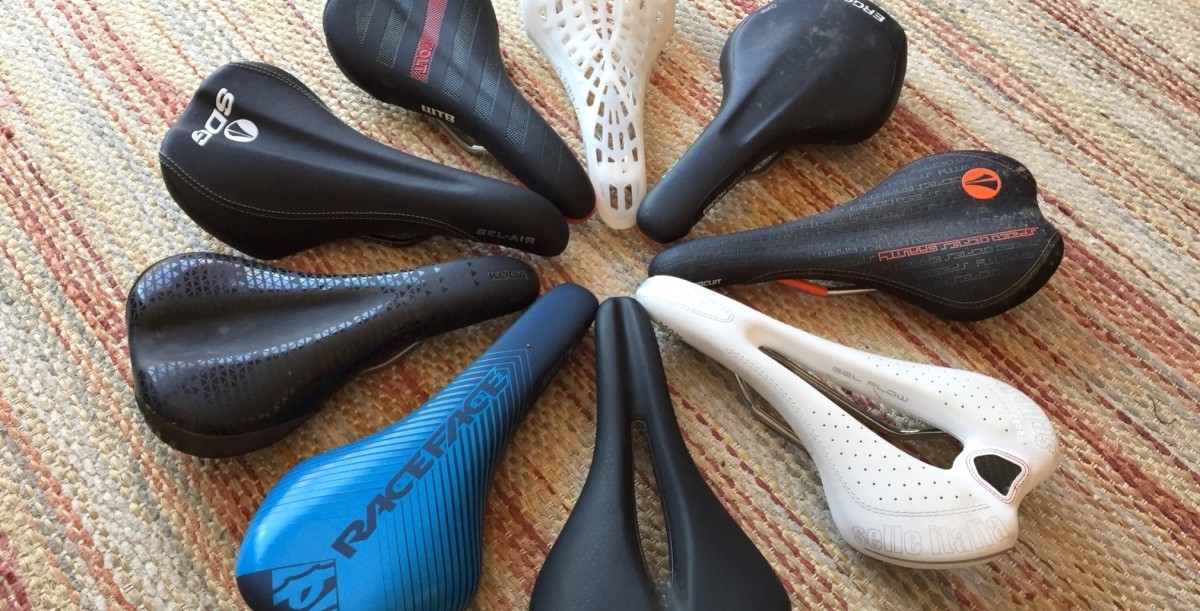
Every cyclist knows that a bike is an amazing tool that connects us to the roads, trails, and the freedom of movement. But no matter how advanced your bike is, an ill-fitting saddle can turn a dream ride into a painful nightmare. A high-quality, personalized saddle is one of the most critical components for your comfort and performance on the bike.
Why is it so important to choose the right saddle?
The saddle is the primary contact point between the rider and the bike. It directly affects your comfort, posture, and physiological efficiency while riding. Choosing the wrong one can lead to pain, instability, and even long-term injuries.
- A well-fitted saddle improves comfort, allows efficient power transfer, and prevents friction and injuries.
- Proper positioning on the saddle balances body weight and reduces stress on the lower back and knees.


Saddle Dimensions – What Parameters Matter?
Saddle Width
Saddles typically range from 130–170 mm in width.
Wider: Ideal for riders with a wider pelvis or a more upright riding position.
Narrower: Suitable for riders with a narrow pelvis or an aggressive riding posture.
Saddle Length
The standard length of saddles ranges from 240–280 mm. Longer saddles allow more forward and backward movement, while shorter saddles focus on stability and comfort.
Saddle Angle
Horizontal (0°): Most recommended for the majority of riders. It reduces unnecessary pressure and balances the body.
Tilted Forward (1°–3°): Reduces pressure on the pelvis area; good for aerodynamic riders.
Tilted Backward: May offer support in some cases but can increase strain on the lower back.

Saddle Height
The height of the saddle from the ground impacts pedaling efficiency. A general formula: inseam × 0.885.

Where Should You Sit on the Saddle?
The optimal position is on your sit bones—the bony parts of your pelvis.
- Too far forward: Can cause pressure on soft tissue and pain in sensitive areas.
- Too far back: Limits hip movement and reduces pedaling efficiency.
Incorrect angle or position can lead to up to 10% loss in pedaling efficiency.

How to Choose Your Saddle?
- Custom Width: Measure the width of your sit bones using a gel pad or with a professional fitter
- Type of Riding: Match the saddle to your riding posture and activity—road, mountain, or urban
- Trial and Error: Try different saddles to find what suits you best
- Choose a saddle that balances precise measurements, comfort, and posture support

Tips for Improving Saddle Comfort
- Accurate Angle Adjustment: Start with a level saddle and adjust as needed
- Correct Saddle Height: Using the wrong height reduces efficiency and increases knee strain
- Use Padded Cycling Shorts: Enhance comfort over long rides
Got questions? Happy to help!
Have a question about saddle fitting or unsure about the angle? Leave a comment below, and I’ll be glad to help you ride more comfortably!
Let me know if you want a shorter version or tailored headline options for this one too!